
THE
INVITATION
An Eritrean Wedding
Photo: Jack Jackson Photography
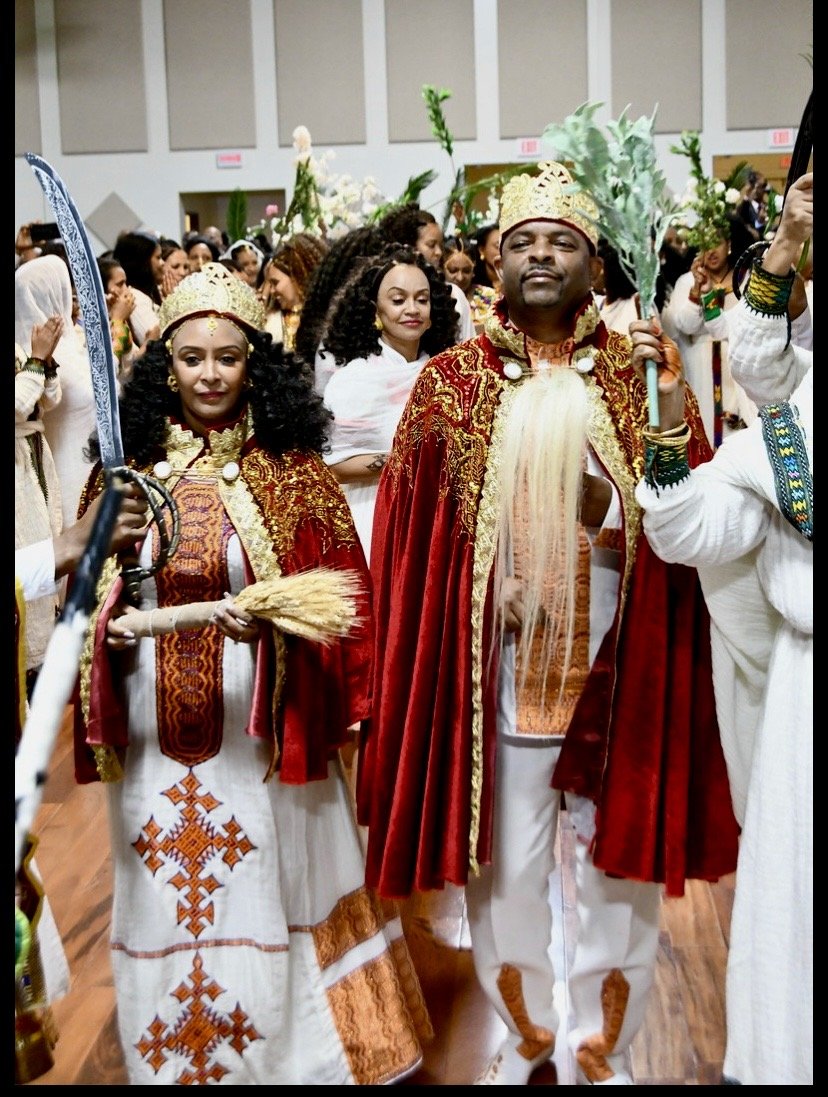
Before my friend became engaged, I knew very little about Eritrean wedding traditions. Her invitation into one of life’s most meaningful celebrations became my first opportunity to experience them firsthand. What I discovered was more than a wedding. It was a beautiful expression of family, faith, heritage, and community that I will never forget.
One of the greatest gifts of being welcomed into another culture is discovering moments you never knew to expect.
There are moments that stay with you not because they ask to be explained, but because they change the way you see the world.
This was one of them.
It began with a friendship.
For years, I had known the bride as someone who embodied grace, intelligence, and quiet strength. She had shared stories about her family, her traditions, and the community that had shaped her, but those stories had always lived through conversation.
When she invited me to stand beside her as a bridesmaid, she wasn’t simply inviting me to witness her wedding.
She was inviting me into a part of her world I had never experienced before.
At the time, there was no way of knowing how deeply that invitation would stay with me.
The Invitation
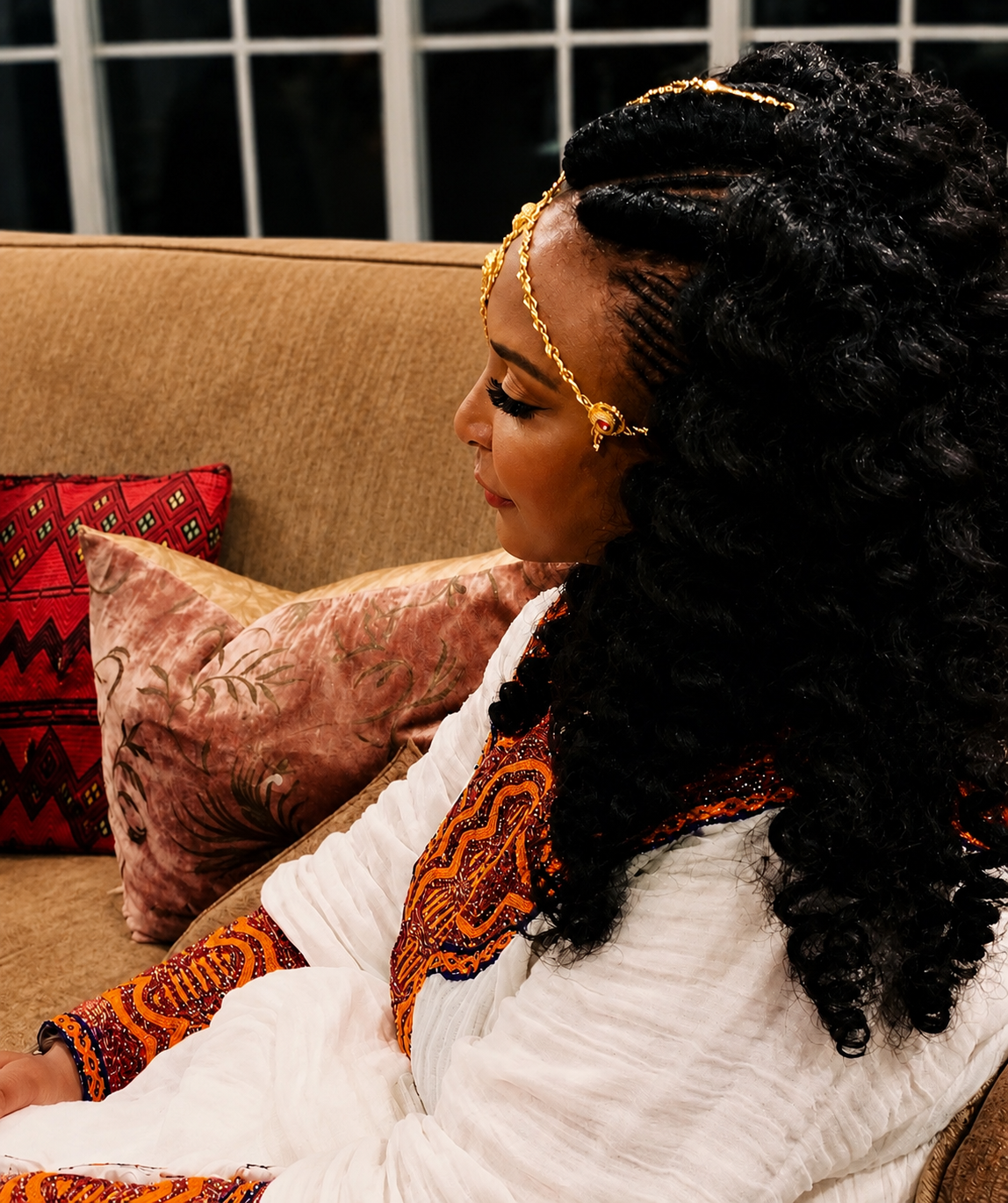
Photo: COMPLETE LifeStyle Magazine
A Legacy Remembered
Long before the first dance, before the music filled the room, and before the bride walked down the aisle, a story began to reveal itself.
Her father’s.
He was no longer physically present, yet his presence never felt far away.
As the celebrations unfolded, a steady stream of people continued to arrive.
From time to time, the bride would pause, her face lighting up with recognition.
“That’s one of my father’s friends.”
A little later, she’d recognize someone else.
“I haven’t seen him in years.”
It happened again and again.
Men she remembered from childhood made their way through the crowd, many of whom she hadn’t seen in years.
She quietly shared why they had come.
To celebrate one of the most important days in his daughter’s life.
To honor the memory of a man they had loved and respected.
There was no need for lengthy explanations.
Their presence said everything.
Years had passed.
Life had moved forward.
Yet they came.
Not out of obligation.
Out of love.
Sometimes, a person’s legacy isn’t measured only by what they leave behind.
Sometimes, it’s reflected in the people who still choose to show up.
On this day, they had come to celebrate a new beginning while honoring the life of the man who helped make it possible.
With family, friends, and a community gathered together, the ceremony was about to begin.
Photo: Jack Jackson Photography
Before this experience, I knew very little about Eritrean culture. I wasn’t familiar with its traditions, and I didn’t know the wedding ceremony would take place in an Eritrean Orthodox Tewahedo Church.
I simply accepted a friend’s invitation and arrived with an open mind.
From the outside, the church appeared modest.
Its quiet exterior gave little indication of what awaited inside.
Stepping through its doors felt like entering another world.
The sanctuary was breathtaking.
Warm light filtered through beautifully colored stained-glass windows while rich shades of red and gold adorned the sanctuary. Sacred artwork and intricate religious details drew my attention in every direction, inviting me to pause and simply take it all in.
It wasn’t a large church.
By the time we arrived, it was already filled with family, friends, and members of the community. Every seat was occupied, and people stood wherever space allowed.
Conversations filled the sanctuary as loved ones greeted one another before the ceremony began.
Then something unexpected happened.
The more I took in the beauty of the space, the farther those voices seemed to drift into the background.
My attention became absorbed by what was in front of me.
The stained-glass windows.
The rich shades of red and gold.
The sacred artwork.
For a few moments, everything else faded away.
I was simply taking it all in.
Looking around the sanctuary, one detail captured my attention.
Many of those who remained standing held long, slender wooden staffs.
At first, they seemed like another beautiful tradition whose meaning I didn’t yet understand.
Later, I learned they were called Maqwamiya, prayer staffs used to provide support during the lengthy liturgy.
It was a reminder that even the smallest details often carried purpose.
As the ceremony began, the prayers were recited, Scripture was read, and hymns were sung in Tigrinya, a language unfamiliar to me.
I couldn’t understand the words.
Yet I never felt disconnected.
It wasn’t the language that stayed with me.
It was the reverence.
The beauty.
The expressions of faith.
The love surrounding the couple.
There was no need to have every detail explained.
Being fully present made it possible to absorb far more than words ever could.
As the celebrations continued, more of the tradition revealed itself through the preparation.
What had begun in quiet reverence would soon unfold in an entirely different way.
Preparing for the Celebration
The ceremony was only the beginning.
As the celebrations continued, another layer of tradition quietly unfolded through the preparation itself.
Every detail reflected intention.
Hair was carefully braided.
Makeup thoughtfully applied.
Jewelry chosen with purpose.
Nothing felt rushed.
Nothing felt overlooked.
The hairstyles were among the first details to capture my attention.
Beautifully braided patterns framed the front of many women’s hair, flowing into long, loose lengths cascading down their backs. Others wore delicate gold ornaments woven into their braids, while some wore elegant, lightweight shawls that gracefully covered much of their hair, complementing their traditional attire.
Each style felt intentional.
As I admired them, I learned that many of the hairstyles carried cultural significance and reflected traditions that had been passed down through generations. While I didn’t fully understand every detail, it was clear these were far more than wedding hairstyles.
They were expressions of heritage.
Identity.
Pride.
As part of the bridal party, I was given the opportunity to experience a small part of that tradition myself.
My hair was braided with traditional cornrows at the front while the rest flowed freely in the back, inspired by the styles worn throughout the celebration.
Wearing my hair in a way that honored their heritage made me feel not only included in the wedding, but welcomed into the experience itself.
Henna added another beautiful layer.
Elegant designs traced across hands told stories far older than the celebration itself.
Gold jewelry shimmered beneath the light.
Traditional fabrics moved gracefully through every room.
Each detail stood beautifully on its own.
Together, they revealed a culture carried with pride from one generation to the next.
Only later did another realization emerge.
Behind every beautiful detail were countless hours of preparation.
Days and weeks of planning.
Hands working together.
A labor of love that made the celebration possible.
THE CEREMONY
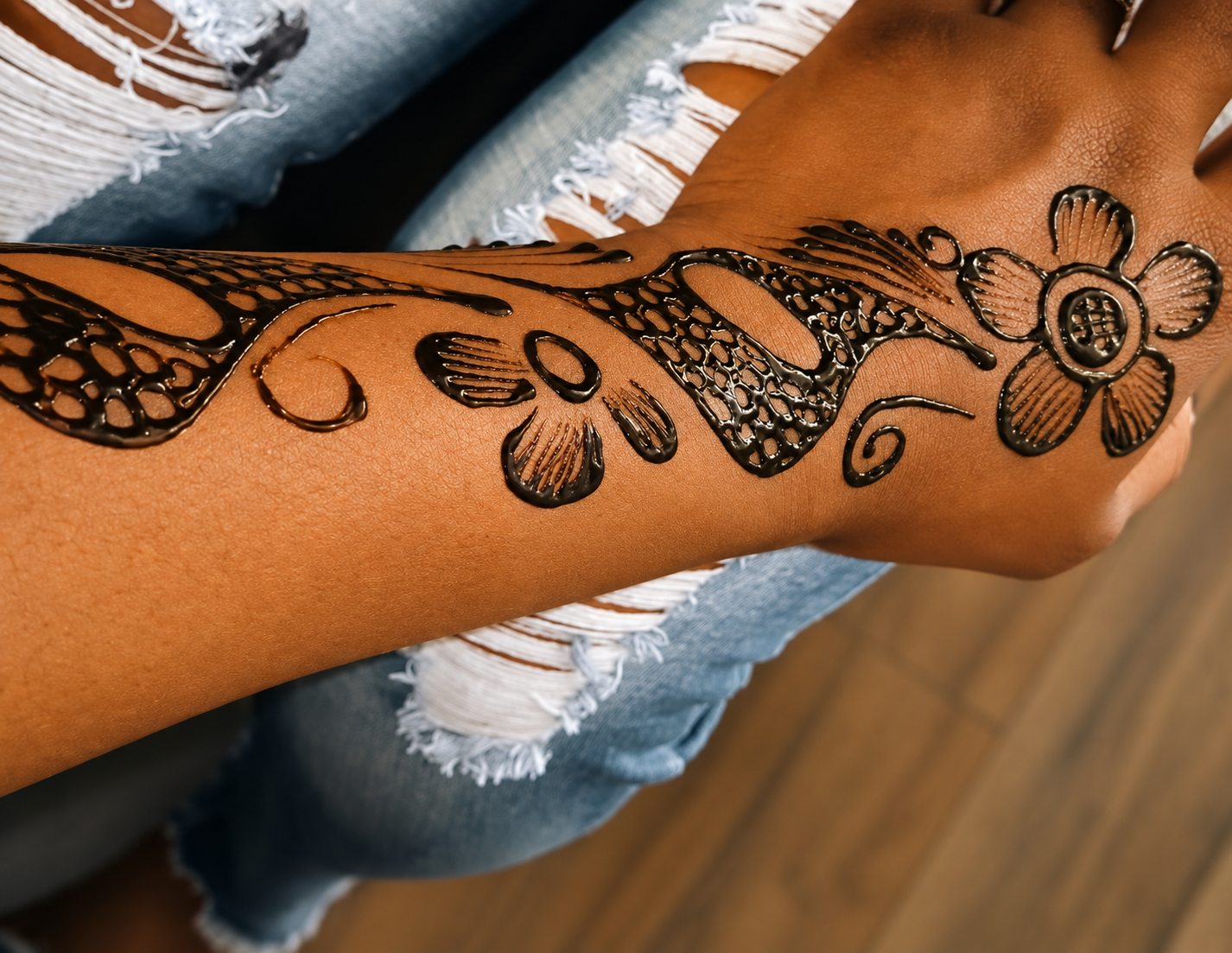
Photo: COMPLETE LifeStyle Magazine
A Mother’s Love
Long before the first guest arrived, another story had already been unfolding.
A mother’s.
Throughout the celebration, it became increasingly clear that much of what everyone experienced had been shaped by her hands.
Not alone, but alongside a close circle of women who worked beside her with the same care and dedication.
Meals weren’t simply prepared.
They were planned.
Cooked.
Seasoned.
Shared.
Days and weeks of preparation quietly unfolded behind the scenes, much of it unseen by the thousands of family members, friends, and guests who would gather throughout the celebrations.
Only later did I learn that every meal served during the wedding celebrations had been lovingly prepared by the bride’s mother and the remarkable group of women who stood alongside her.
That realization transformed every meal.
Each dish represented far more than ingredients and recipes.
It reflected weeks of preparation.
Generations of knowledge.
Friendship.
Teamwork.
And a mother’s unwavering love.
Watching them work together revealed something beautiful.
This wasn’t one woman preparing meals for hundreds or even thousands of guests.
It was a community of women serving another family as though it were their own.
At the heart of it all was a mother whose love could be felt in every dish that found its way to the table.
Her love wasn’t announced.
It didn’t ask to be recognized.
Yet it could be felt everywhere.
Sometimes the deepest expressions of love are the quiet ones.
The ones poured into caring for others, one meal at a time.
When those meals finally made their way into the celebration, they arrived with the same joy and intention with which they had been prepared.
The food didn’t simply make its way into the room.
It arrived as part of the celebration.
Throughout the festivities, women entered carrying beautifully prepared dishes.
But they didn’t walk in quietly.
They sang.
They danced.
They smiled.
Each entrance was met with the same warmth and anticipation as though the celebration itself had come forward to greet everyone in the room.
Traditional dresses flowed gracefully with every step.
Gold jewelry caught the light as they moved.
Intricate henna adorned their hands, each pattern adding another layer of beauty to an already unforgettable scene.
Watching them, it became impossible to separate hospitality from celebration.
The two existed together.
Nothing felt routine.
Nothing felt hurried.
Every arrival carried the same sense of joy and purpose as the one before.
The meals nourished the body.
The celebration nourished the spirit.
Together, they became inseparable.
Looking around the room, it became clear that everyone contributed in their own way.
Some prepared the meals.
Some welcomed guests.
Some filled the dance floor.
Others quietly worked behind the scenes, ensuring every detail unfolded with care.
No role seemed greater than another.
Each person became part of something larger than themselves.
It was another reminder that the most meaningful celebrations are rarely created by one person.
They are carried by an entire community.
When it was time to share the meal, the food carried far more than flavor.
Every Arrival Was a Celebration
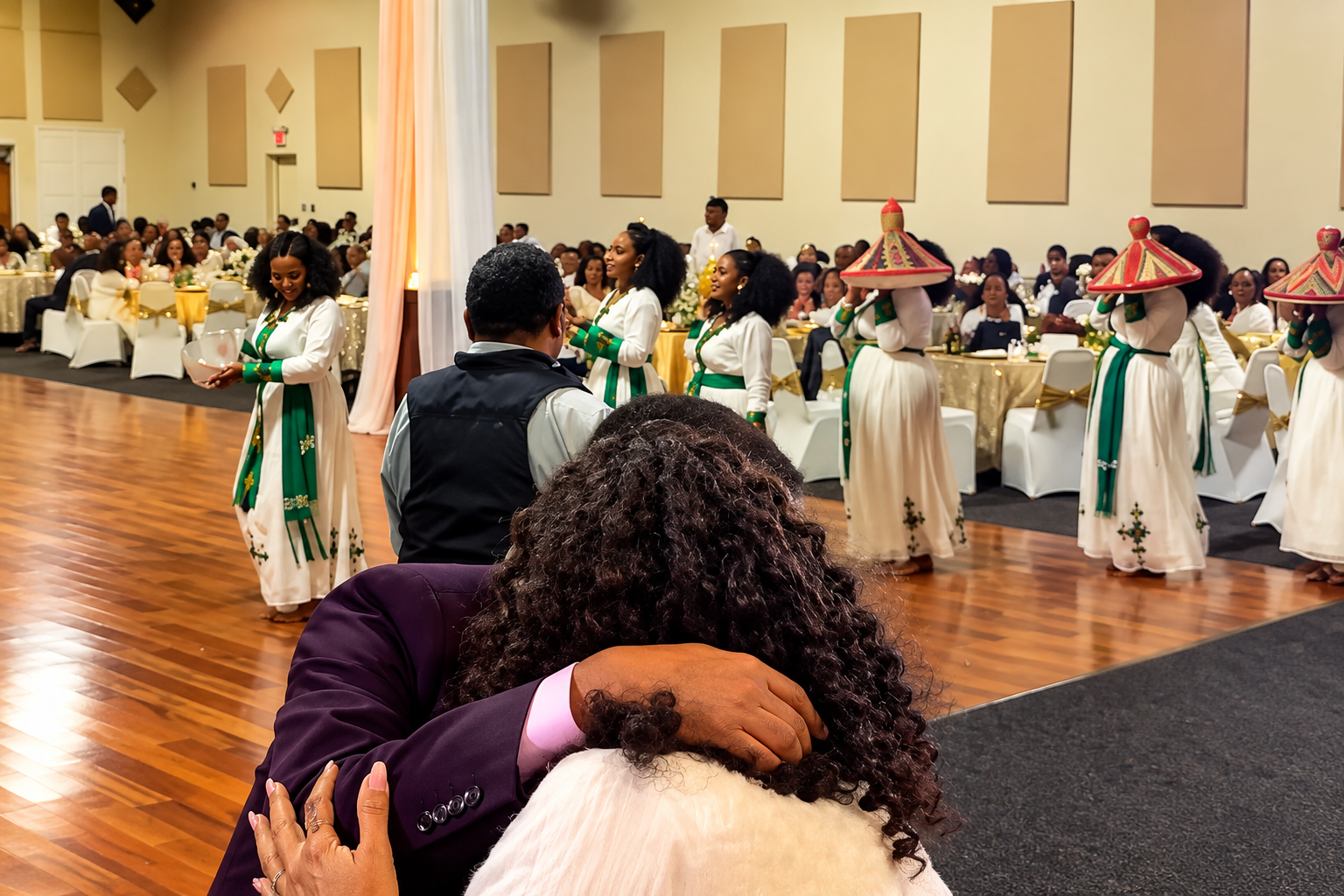
Photo: COMPLETE LifeStyle Magazine
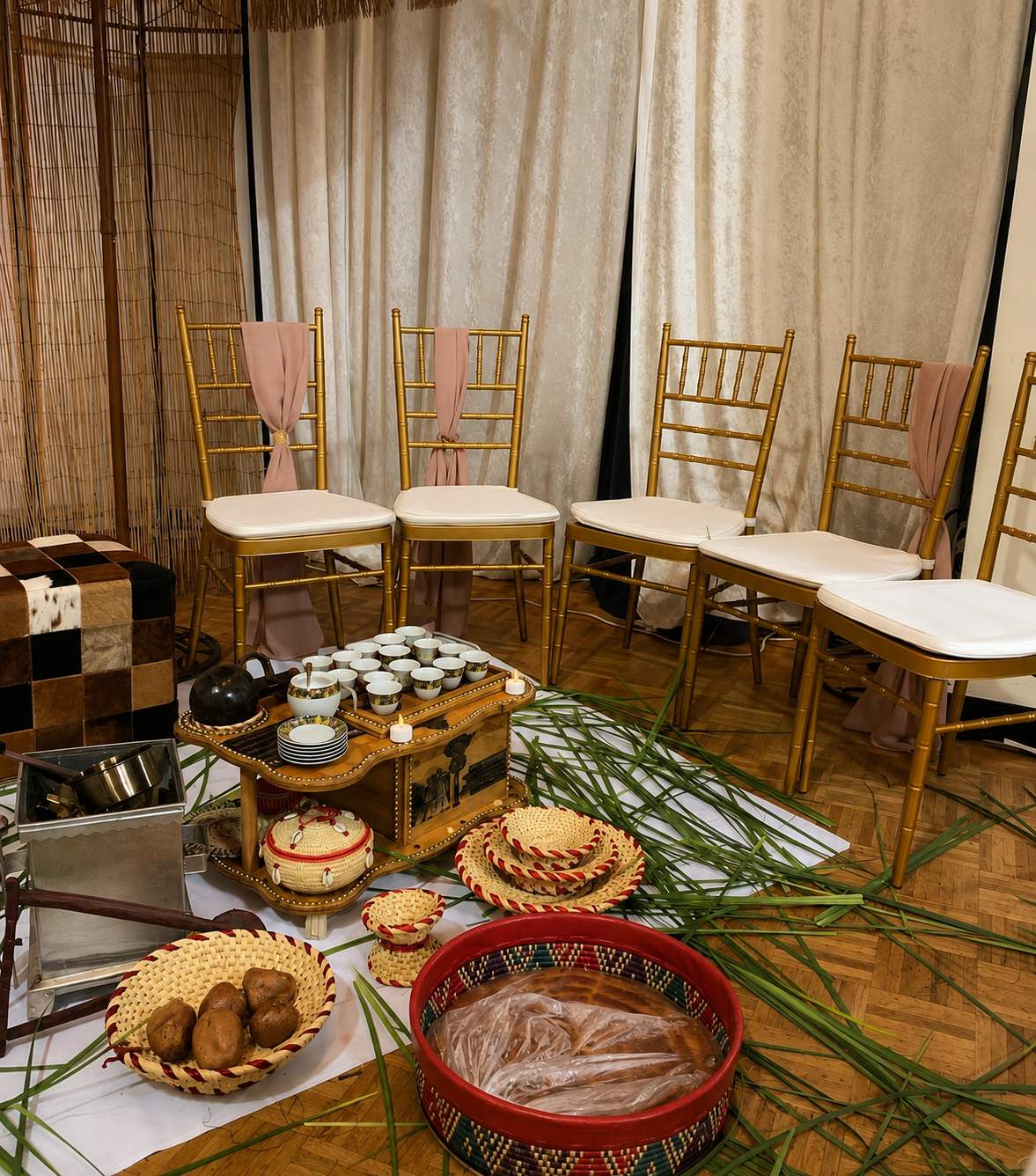
Photo: COMPLETE LifeStyle Magazine
By the time the food was served, every dish carried a deeper meaning.
Knowing the hands behind the meals changed the experience before the first bite.
Spread across large platters was injera, the soft, spongy flatbread at the heart of the meal.
Surrounding it were beautifully prepared dishes, each layered with rich aromas, vibrant colors, and inviting flavors.
Among them was tender goat, slow-cooked until it pulled apart effortlessly, accompanied by other traditional meat dishes prepared with the same care.
Eating with my hands was something entirely new.
There was a brief moment of hesitation.
Not because it felt uncomfortable.
Simply because it was unfamiliar.
That feeling disappeared almost as quickly as it arrived.
A piece of injera was gently torn away, wrapped around the food, and with the first bite came something unexpected.
Not just new flavors.
A new appreciation.
The meal invited slowing down.
Sharing.
Experiencing food differently than I ever had before.
Looking around, it became clear that this wasn’t simply about eating.
Meals brought people together.
Conversations continued.
Laughter filled the space.
Stories were shared.
The food nourished far more than those gathered around the table.
It nourished connection.
By the end of the meal, one thing had become unmistakably clear.
The ingredients made the dishes memorable.
The people made them unforgettable.
More Than a Meal
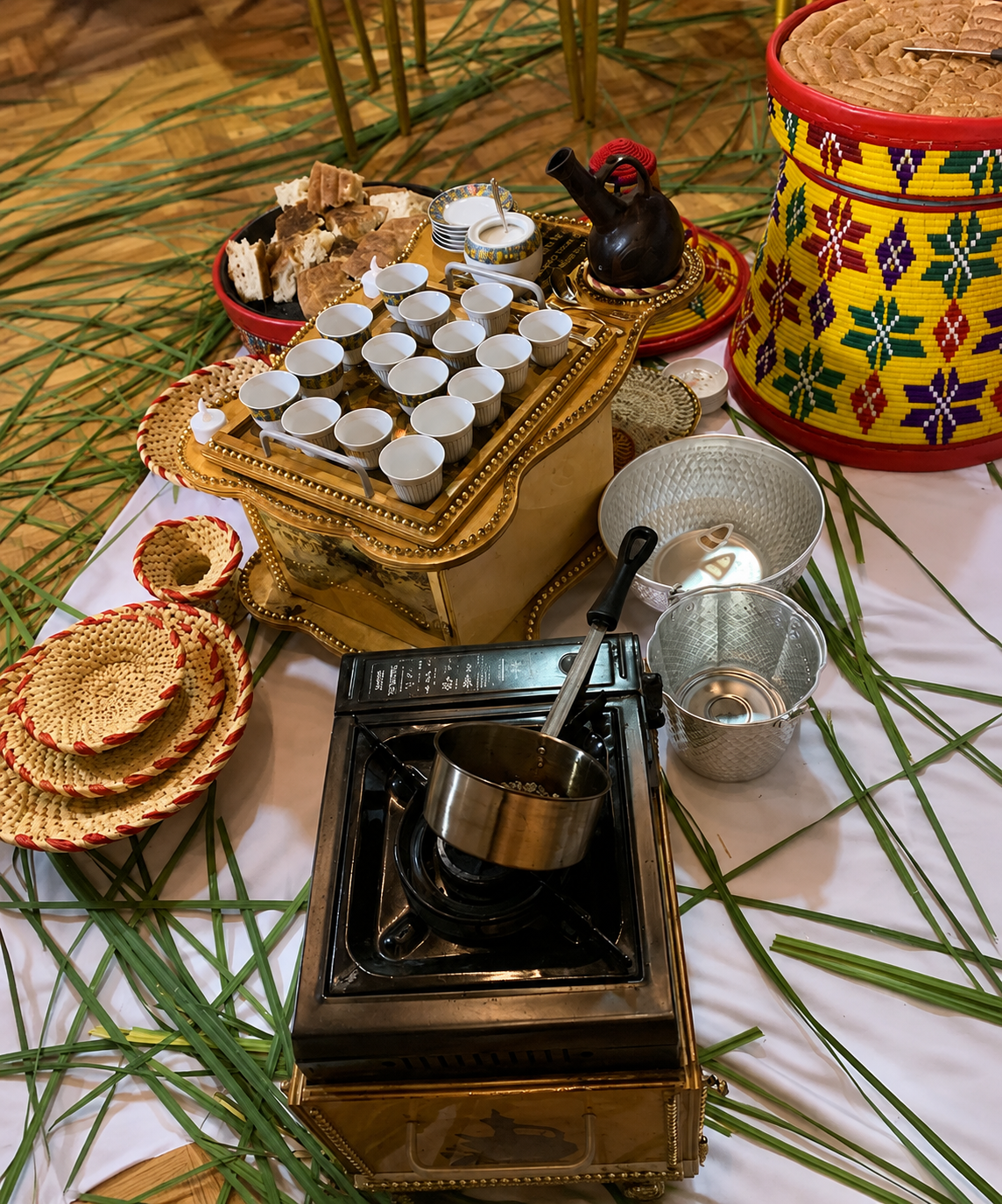
Photo: COMPLETE LifeStyle Magazine
One tradition continued to stay with me long after the celebration had ended.
The traditional Eritrean coffee ceremony, known as boon.
It wasn’t until later that I learned the story behind it.
My friend explained that long before the first cup is poured, the coffee beans themselves are carefully prepared.
Everything is made from scratch.
The process naturally takes time.
As it unfolds, women gather together.
They catch up.
They share stories.
They laugh.
They encourage one another.
They simply enjoy being together.
Understanding the tradition gave me an even deeper appreciation for what I had experienced.
What first appeared to be coffee being served became something much more meaningful.
A tradition rooted in conversation.
Community.
Connection.
And as the celebration continued, those same connections would soon find expression on the dance floor.
The Eritrean Coffee Ceremony
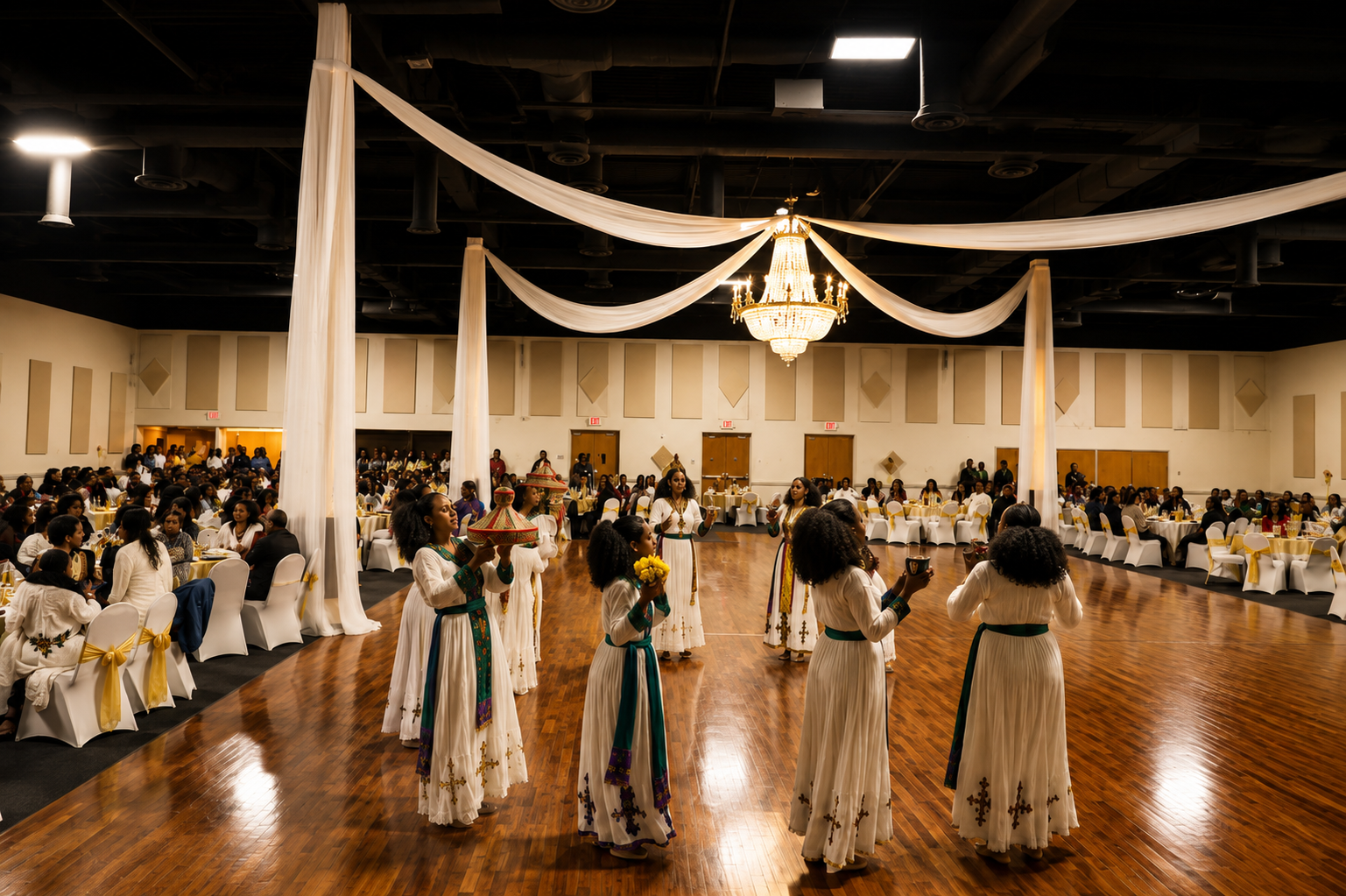
Photo: COMPLETE LifeStyle Magazine
As the celebration continued, the dance floor slowly came to life.
At first, it was the movement that caught my attention.
It was as though the rhythm had become part of them.
The music filled the room, and almost instinctively, their shoulders began to move.
Then their necks.
Soon, the rest of their bodies followed, each movement flowing effortlessly with the beat.
Nothing felt practiced.
Nothing felt forced.
It wasn’t simply a dance.
It felt like a story unfolding through rhythm and movement, carried naturally from one generation to the next.
The dance floor belonged to everyone.
Children danced with confidence and excitement.
Parents joined without hesitation.
Elders smiled, laughed, and continued dancing well into the evening, their energy matching generations much younger.
There was no divide between age or experience.
Only a shared joy that welcomed everyone into the celebration.
As the music evolved throughout the evening, traditional songs blended naturally with contemporary music.
The younger generation embraced the newer rhythms with enthusiasm.
Moments later, the room returned to traditional Eritrean music just as effortlessly.
Past and present didn’t compete.
They celebrated alongside one another.
Later in the evening, one unforgettable moment unfolded.
The bride and groom stepped onto the dance floor, surrounded by family and friends whose excitement filled every corner of the room.
Hands clapped in rhythm.
Laughter echoed.
The circle around them grew tighter as everyone danced, celebrated, and cheered them on.
At one point, the bride and groom were lifted high above the crowd.
Cheers erupted throughout the room.
Bowls filled with money were raised above their heads as family and friends continued dancing around them, adding yet another expression of joy to the celebration.
Soon, everyone stood shoulder to shoulder.
Ordinarily, a crowd gathered so closely might have felt overwhelming.
It didn’t.
The joy of the moment eclipsed everything else.
The music.
The laughter.
The celebration of two families becoming one.
For those few moments, nothing beyond that circle seemed to matter.
Every distraction quietly disappeared.
There was no thought of where to stand, how much time had passed, or what would come next.
There was only the celebration.
Only the music.
Only the privilege of being fully present as countless smiles, voices, and hearts became one.
It was one of those rare moments in life when nothing asked for your attention except the moment itself.
As the music faded and the celebration drew to a close, one thought remained.
Some moments never truly end.
A Dance Shared Across Generations
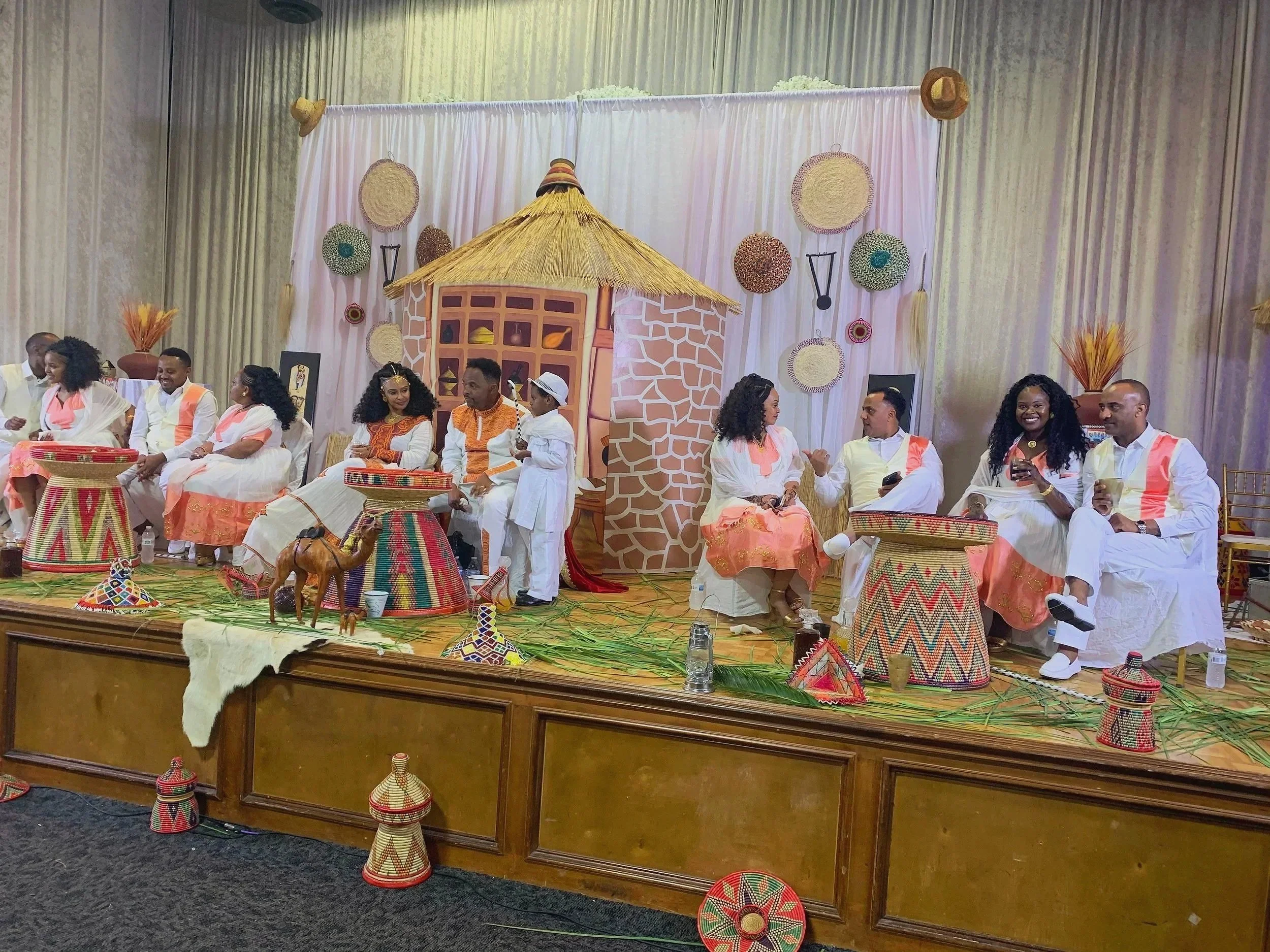
Photo: COMPLETE LifeStyle Magazine
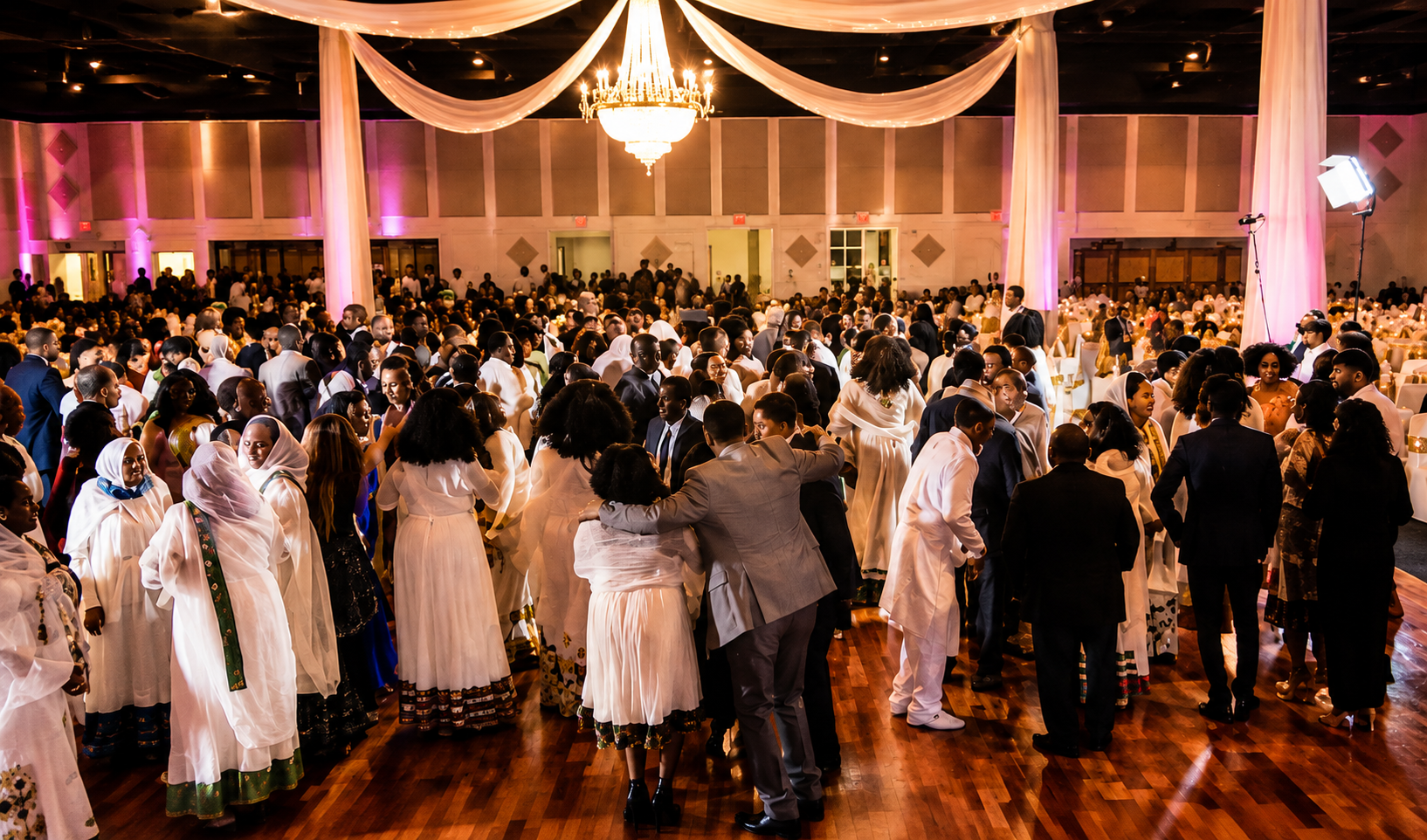
Photo: COMPLETE LifeStyle Magazine
When the music finally faded and the celebrations came to an end, it wasn’t a single tradition that stayed with me.
It wasn’t the breathtaking church.
Or the dancing.
Or the incredible meals.
Or the beautifully braided hairstyles.
Or even the Eritrean coffee ceremony.
It was the people.
A father whose legacy continued to draw friends back years after his passing to celebrate his daughter’s wedding.
A mother whose love could be felt in weeks of preparation, in every meal, and in every guest she helped care for.
Friends and family who showed up for one another.
Women who gathered to cook, prepare, and celebrate.
Elders who danced with contagious joy.
Children already learning the traditions they would one day carry forward.
At the heart of it all was a bride and groom beginning a new chapter together as two families became one, surrounded by generations of love, friendship, faith, and community.
What surprises me most is that, even six years later, these moments remain remarkably clear.
Not because I remember every detail.
I don’t.
But because I remember how it felt.
The warmth.
The welcome.
The generosity.
The laughter.
The sense of belonging.
Some experiences slowly fade with time.
Others quietly become part of who we are.
This was one of them.
Looking back, the greatest gift wasn’t simply witnessing another culture.
It was being welcomed into it.
There was no need to have every detail explained.
Being fully present made it possible to absorb far more than words ever could.
What Remained
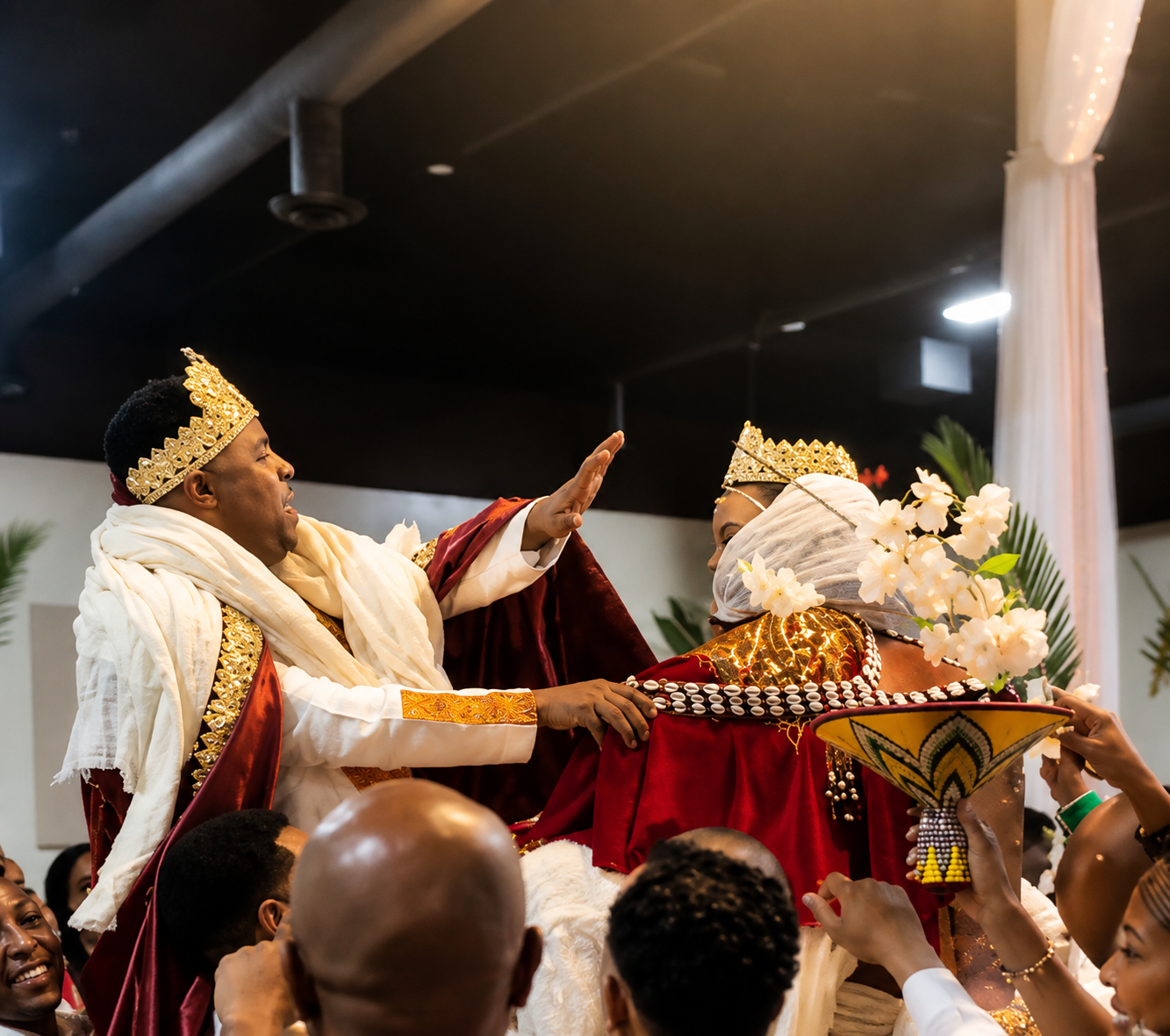
Photo: COMPLETE LifeStyle Magazine
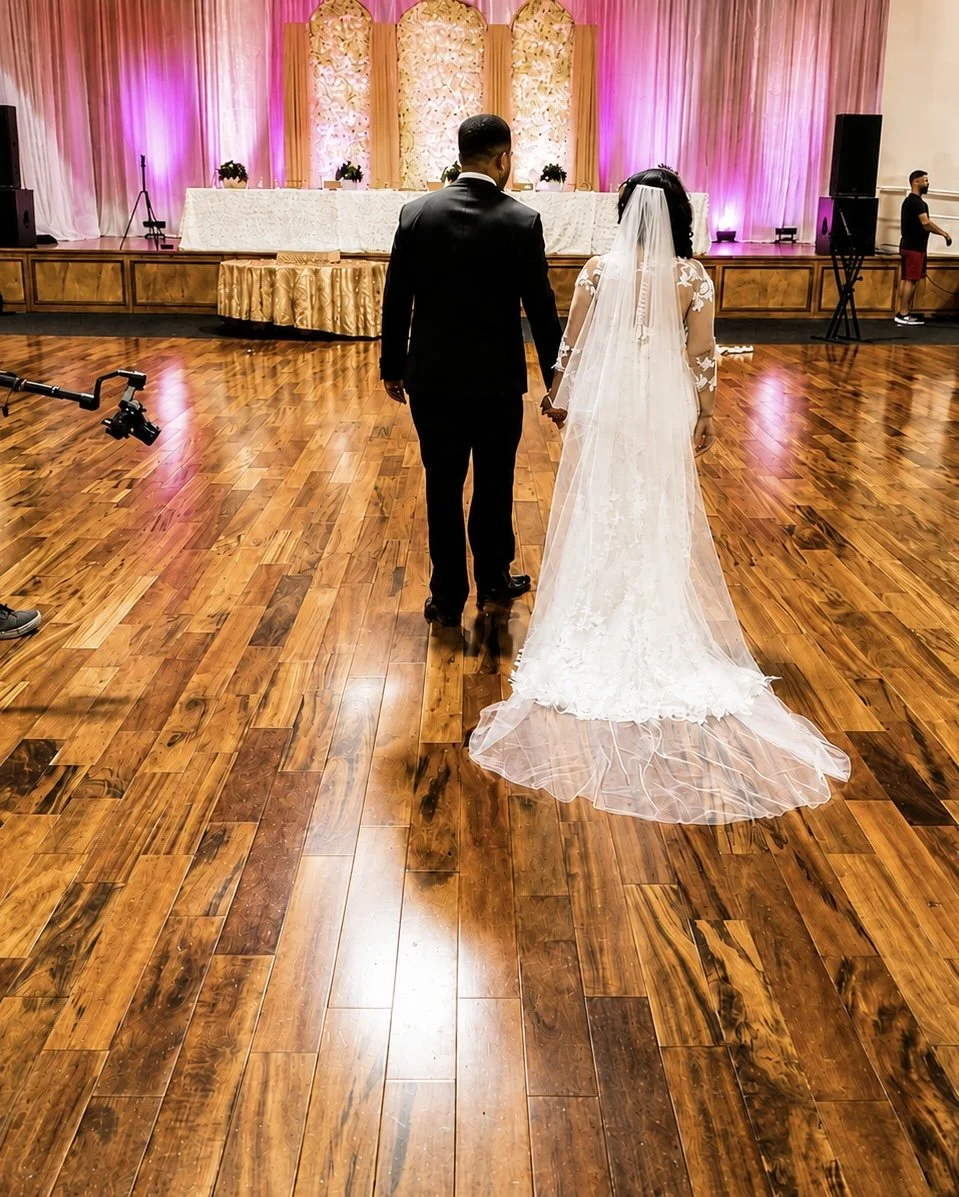
Photo: COMPLETE LifeStyle Magazine